Why a $1M Gulfstream Aerospace Can Cost You More Than a $22M One
If you’ve been browsing listings lately, you’ve probably seen it:
“Gulfstream – $995,000.”
It feels absurdly cheap.
A wide-body, intercontinental jet… for the price of a condo.
So the question comes up:
Why would anyone spend $20–25M for a newer Gulfstream when you can buy one for $1M?
After years flying and operating business jets — and now building prjets.com — here’s the honest answer:
Because purchase price is the smallest number you will ever pay.
And the $1M airplane is often the most expensive mistake.
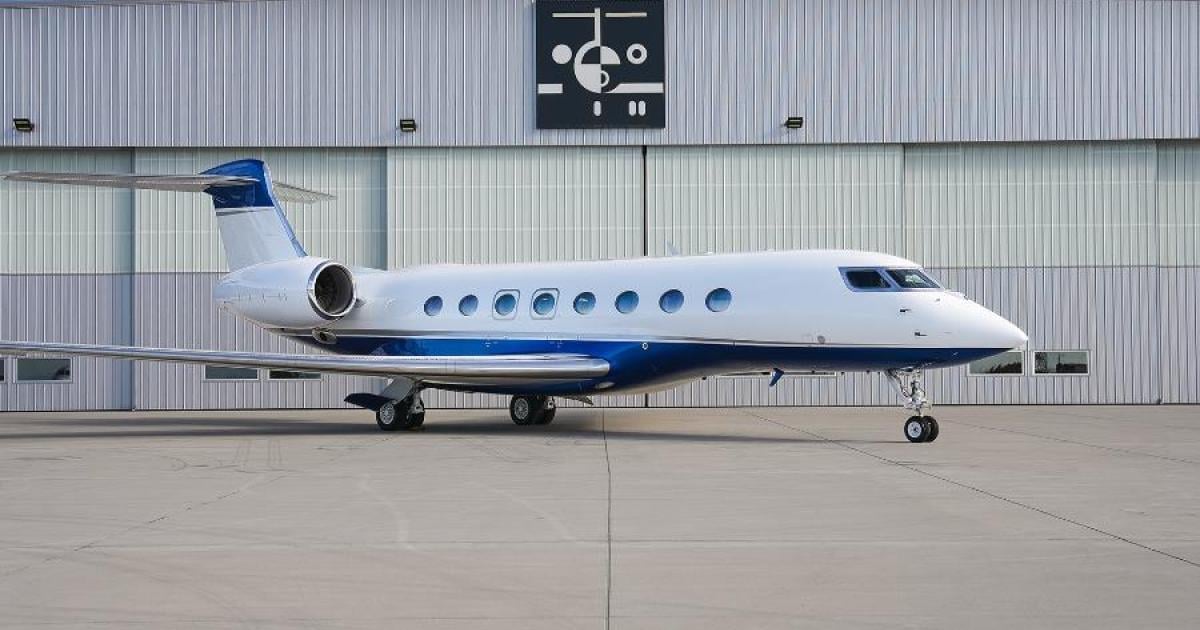
The $1M Dream (Old Gulfstream Reality)


4
Typical candidates:
- Gulfstream III
- Gulfstream IV
- early Gulfstream IV-SP
Prices: $800k–$2M
Looks like a bargain.
It isn’t.
What you’re actually buying
You’re not buying a jet.
You’re buying:
- 35+ year old systems
- legacy avionics
- expiring LLPs
- corrosion risk
- unsupported parts
- heavy checks coming due
Real first-year math
| Item | Cost |
| Pre-buy findings | $300k–$1M |
| Engine programs | $1.5–3M |
| Avionics compliance | $500k–$1.5M |
| Interior refresh | $400k–$1M |
| Heavy inspection | $2–4M |
| Annual operating | $3–5M |
👉 Your $1M jet becomes $8–12M almost immediately.
The $22M Reality (Modern Gulfstream Value)



Examples:
- Gulfstream G450
- Gulfstream G550
Prices: $18–25M
What you get
- Modern glass cockpit
- OEM support
- Programs in place
- Compliance done
- High dispatch reliability
- Real resale market
Economics
| Item | Cost |
| Pre-buy | $100–300k |
| Programs | already covered |
| Major upgrades | $0 |
| Annual operating | $3–4M |
| Downtime | minimal |
👉 You just fly.
No drama. No surprise invoices. No multi-month groundings.
The Hidden Killer: Downtime
Old jets don’t just cost more.
They don’t fly.
Every AOG day means:
- canceled trips
- backup charter
- angry passengers
- lost revenue
A grounded jet costs the same as a flying one.
Modern Gulfstreams routinely deliver:
98–99% dispatch reliability
Older ones?
80–90% on a good year
That gap is massive.
Resale Is Everything
After 5 years:
$1M GIV
Buy: $1M
Put in: $6–10M
Sell: ~$1M
Most of your money is gone.
$22M G550
Buy: $22M
Sell: $18–20M
Far smaller loss.
Maintenance on the old jet exceeds depreciation on the new one.
The Only Thing Worse Than Buying a $1M Gulfstream
There is one decision that’s even more dangerous.
And I see it all the time.
Hiring a “cheap” manager who promises they can operate it for half the normal cost.
This is where things go from expensive… to unsafe.
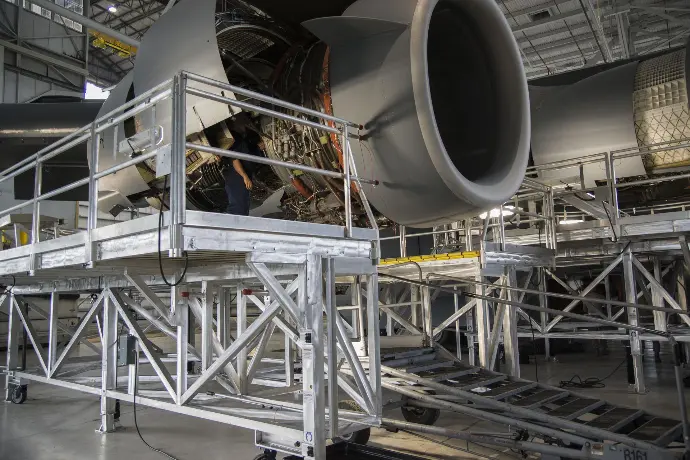
The “Cheap Management” Trap

You’ll hear:
- “We don’t need engine programs”
- “We can defer that inspection”
- “That SB isn’t mandatory”
- “Let’s just fix it when it breaks”
- “I know a cheaper shop”
Translation:
👉 They are skipping maintenance to make the budget look good.
And that’s extremely dangerous.
Reality check
Business jets are not cars.
You don’t “save money” by delaying maintenance.
You only:
- increase risk
- create massive future bills
- destroy resale value
- and potentially endanger lives
Aviation math is brutal
If you don’t pay:
- Engine programs
- Inspections
- SBs
- Proper parts
- OEM support
You’re not saving money.
You’re borrowing it from the future — with huge interest.
And eventually:
- engines time out
- parts become unserviceable
- the aircraft becomes unsellable
- insurers get nervous
- or worse… you have an incident
In aviation, deferred maintenance isn’t just financial risk.
It’s safety risk.
The rule we follow at PRJets
At prjets.com, we operate with one principle:
If you can’t afford to maintain it correctly, you can’t afford to own it.
No shortcuts.
No “creative” budgeting.
No hoping.
Because this isn’t a boat or a car.
It’s a machine flying your family at FL450.
Bottom Line
If you can afford a $22M Gulfstream:
Buy the newer jet.
Put it on programs.
Maintain it properly.
Sleep well.
Because:
Cheap airplanes are expensive.
Cheap maintenance is dangerous.
And the most expensive jet you’ll ever own…
is the one you tried to operate cheaply.
Next article:
👉 How “cheap” management destroys aircraft value and puts owners at legal and safety risk — and what professional management should actually cost.